
How Does Expert Woodturning Shape the Design of Wooden Urns for Ashes?

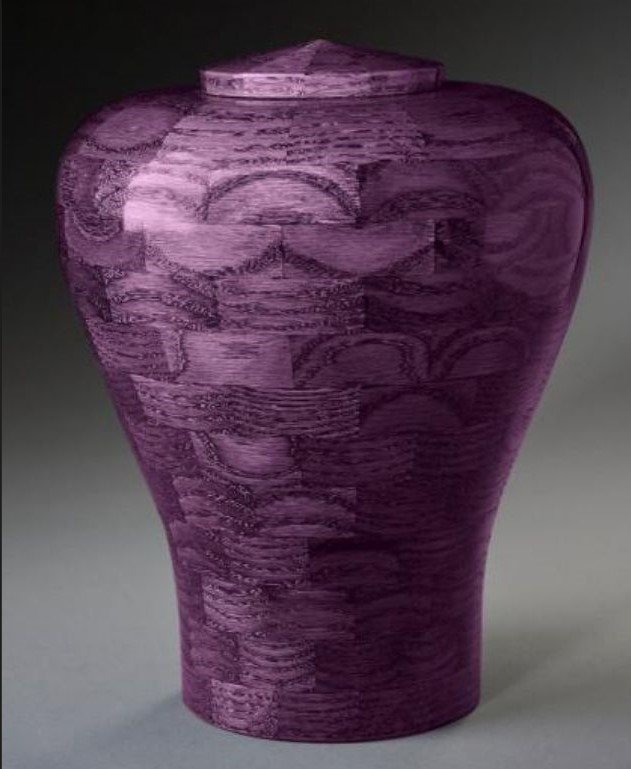
Expert woodturning shapes the design of wooden urns for ashes by turning solid wood into smooth, balanced, and carefully proportioned forms. The craftsperson uses specialized tools and a lathe to shape the wood while preserving its natural grain, colour, and texture. Each design reflects the character of the timber and the skill behind its creation.
From the urn’s overall shape to its fine surface details, woodturning helps create a lasting memorial with a distinct appearance.
How Does Woodturning Influence the Design of Wooden Urns?
Woodturning gives an urn its basic form, proportions, and surface finish. Instead of joining several pieces to create a shape, the craftsperson can turn a suitable piece of wood to form a rounded body with a smooth outline.
The process influences several design features:
- Body shape: The turner creates a balanced body with curves, straight sides, or tapered sections. Each shape gives the urn a different visual character.
- Proportions: The height, width, and base are planned to create a stable form that can hold its intended capacity.
- Surface texture: Tool movement and finishing methods determine whether the surface has a smooth, satin, or natural wood appearance.
- Natural grain: The turning process reveals the timber’s grain patterns, giving every finished piece its own visual detail.
These features help create an urn with a clear design rather than a plain wooden container.
What Woodturning Techniques Create Different Urn Shapes?
A woodturner uses different techniques to control the shape and finish of an urn. The choice depends on the timber, design plan, and desired appearance.
1. Spindle Turning for Balanced Forms
Spindle turning shapes wood along its length. The craftsperson works on the rotating timber to create rounded sections, narrow necks, and tapered profiles.
This technique can produce:
- Tall, narrow urn designs
- Rounded bodies with gentle curves
- Defined necks and bases
- Traditional symmetrical shapes
Spindle turning gives the finished piece a balanced outline and a consistent form.
2. Bowl Turning for Rounded Designs
Bowl turning allows the craftsperson to shape a rounded outer body. The technique is useful for urns with curved profiles and fuller proportions.
The turner controls the depth and width of the shape while maintaining enough wood for strength. Careful measurements help create a balanced exterior without making the walls too thin.
3. Refining Curves and Transitions
Small changes in the shape can alter the entire appearance of an urn. A gentle curve creates a softer look, while a defined shoulder or tapered neck gives the design a more structured profile.
Smooth transitions between the body, neck, and base help the finished piece look well-proportioned.
Why Does Wood Selection Matter During the Turning Process?
Wood selection affects how easily the material can be shaped and how the finished urn looks. Different timber species have their own grain patterns, colours, density, and working qualities.
A suitable wood choice helps the craftsperson achieve the planned design while maintaining the strength of the finished piece.
Important Factors to Consider
- Grain pattern: Straight, wavy, or irregular grain changes the visual character of the urn. It also affects how the wood responds to cutting tools.
- Wood hardness: Hardwoods can provide a firm structure, but they may require careful tool control during shaping.
- Colour variations: Natural shades range from pale cream and honey tones to deep brown and reddish hues.
- Wood stability: Properly dried timber is important for reducing movement, cracks, and changes in shape after turning.
For wooden urns for ashes, the timber should be selected with both appearance and long-term durability in mind. A beautiful grain pattern matters, but the wood must also remain suitable for its intended purpose.
How Does Segmented Woodturning Add Artistic Detail?
Segmented woodturning brings different pieces of wood together to create patterns, colour contrasts, and distinctive shapes. Instead of working with one solid block, the craftsperson joins selected wood sections before turning them into a finished form.
This method opens up more design choices.
- Contrasting wood tones: Combining light and dark hardwoods creates natural colour patterns across the urn.
- Geometric patterns: Carefully arranged wood sections can form bands, repeated shapes, and balanced designs.
- Distinctive grain combinations: Different grain directions add depth and visual interest to the finished surface.
- Consistent construction: Accurate joining helps the sections form a unified body during the turning process.
The Steve Shannon Collection features hand-assembled and hand-turned wooden urns, with flowing designs made from solid hardwoods. This approach gives each piece an individual artistic character.
How Do Woodturners Balance Beauty With Practical Design?
An urn must have an attractive appearance, but its construction also needs to serve a clear purpose. Expert woodturning brings these two requirements together through careful measurements and precise finishing.
Three important design areas deserve attention.
1. Wall Thickness and Structural Strength
The wood must retain enough thickness to create a durable body. Removing too much material during turning can weaken the structure. A skilled craftsperson controls the cutting depth and checks the shape as the work progresses.
2. Lid Fit and Secure Storage
The opening and lid need accurate measurements. A well-fitted lid helps keep cremated remains safely contained while maintaining the urn’s overall appearance.
The lid should also match the body’s shape and finish. Poor alignment can affect both the function and visual balance of the piece.
3. Base Stability
A properly shaped base helps the urn remain level on a shelf, table, or display surface. Its width and weight distribution should match the height and overall proportions of the body.
These details matter when choosing wooden urns for ashes, since the design needs to combine practical use with careful workmanship.
What Finishing Techniques Bring Out the Natural Beauty of Wood?
Finishing gives a turned urn its final appearance. It also helps protect the wood surface from dust, handling, and minor environmental changes.
The process includes several stages:
- Sanding: The craftsperson smooths the surface and removes tool marks left during turning. Careful sanding creates an even base for the finish.
- Surface preparation: The wood is cleaned to remove dust and loose particles before the finishing product is applied.
- Protective coating: A suitable finish brings out the grain while giving the surface a polished appearance.
- Final inspection: The completed piece is checked for rough areas, uneven coating, and visible flaws.
A polished finish can highlight the natural colour differences between hardwood sections. However, the right finish should complement the wood rather than hide its character.
How Can Custom Woodturning Reflect Individual Preferences?
Custom woodturning gives families more control over the appearance of a memorial. Rather than selecting only a standard shape, they can discuss design choices based on their preferences.
At the Steve Shannon Collection, customers can explore custom wooden urn designs and request a new design or changes to an existing one.
Some useful design choices include:
- Wood combinations: Select contrasting hardwoods for a distinctive appearance.
- Shape preferences: Choose between rounded, tapered, tall, or contemporary forms.
- Colour choices: Consider natural wood shades or colour-dyed options.
- Size requirements: Select an adult, child, pet, or keepsake urn based on the intended use.
These choices allow families to select a memorial piece with personal meaning. A carefully planned custom design can reflect individual taste without losing the natural appeal of wood.
Final Thought
Expert woodturning combines material knowledge, precise shaping, and artistic skill to create wooden memorials with lasting value. Every stage, from selecting hardwood to refining the final finish, influences the urn’s appearance and function. For families exploring wooden urns for ashes, craftsmanship offers more than an attractive shape.
It brings natural wood, thoughtful design, and skilled handwork together in a meaningful tribute.

Steve Shannon Collection
Contributing writer and creator on the Quillmark community publishing platform.
Responses & Discussion (0)