
How Does a Plumbing Inspection Differ Between an Older Home and a Newly Built Property?

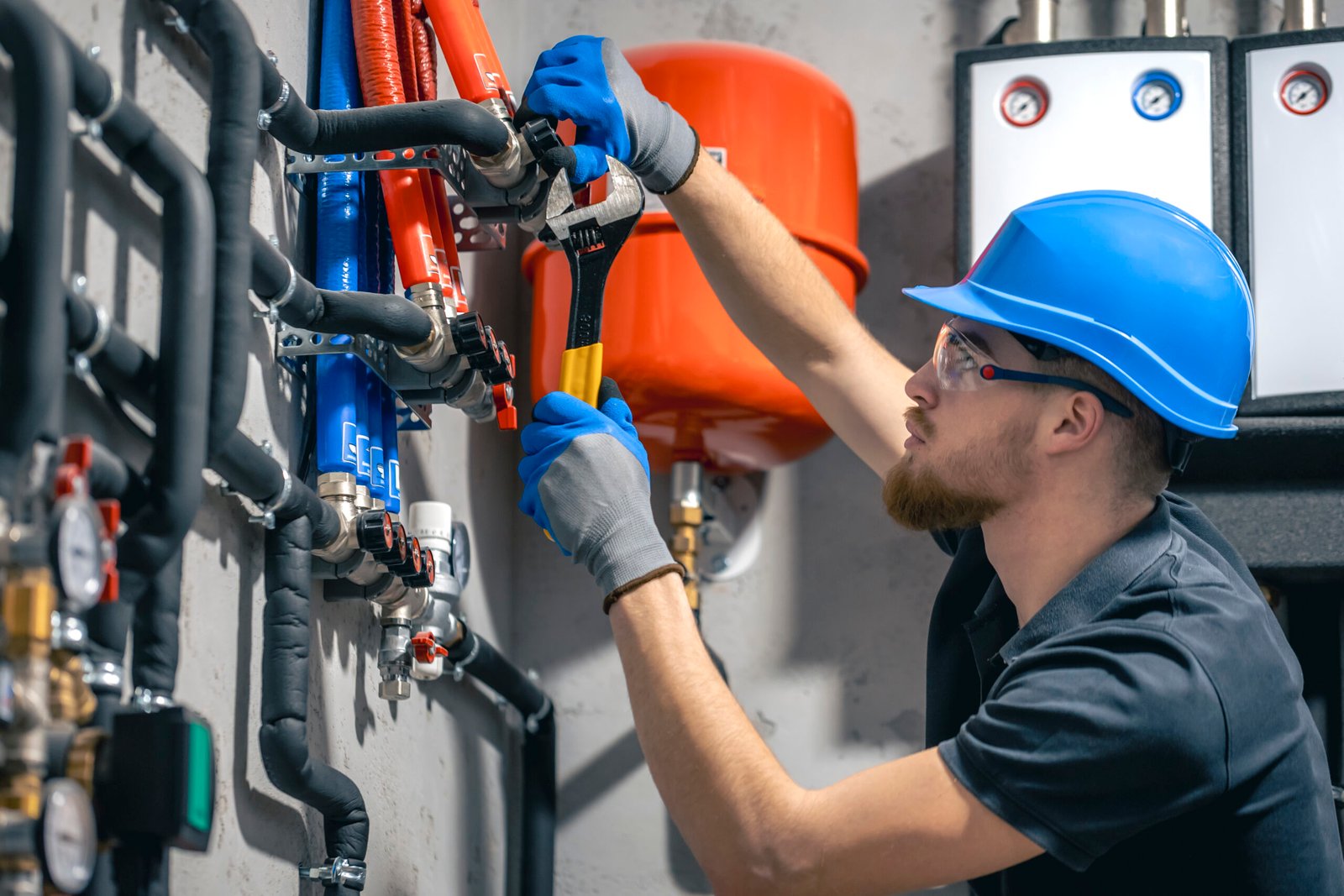
A plumbing system tells an important story about a home. In an older property, years of use can affect pipes, drains, fixtures, and water heaters. In a newly built property, the main concern shifts toward installation quality, connections, and proper system operation. A professional Annapolis, MD plumbing inspection gives buyers a closer look at these systems before they take ownership. Although both property types need a careful inspection, the inspector focuses on different factors based on the home’s age, materials, and construction history.
Why Does the Age of a Home Change the Inspection Process?
A home’s age provides useful clues about its plumbing system. Older properties may still contain original pipes and fixtures. Previous owners could have replaced some sections while leaving other parts untouched. As a result, one house might have several pipe materials within the same system.
Inspectors pay close attention to the condition of these materials. They look for corrosion, mineral buildup, leaks, damaged joints, poor repairs, and signs of past water problems.
New homes have a different history. Their plumbing systems have not faced decades of daily use. However, new construction can still have loose fittings, incorrect connections, blocked drains, or other installation issues.
So, the inspection is not simply about checking whether the plumbing is old or new. It is about understanding how well the entire system works.
What Does an Inspector Look for in an Older Home?
Older plumbing systems require a detailed review of age-related wear. Certain pipe materials, such as galvanized steel and cast iron, can develop corrosion or internal buildup over time. Copper pipes can last for decades, yet leaks and damaged connections still need attention.
During the inspection, the professional reviews accessible plumbing components, including:
● Supply pipes
● Drain lines
● Faucets and fixtures
● Toilets
● Water heaters
● Shut-off valves
● Exposed plumbing joints
● Sump pumps, where present
Water pressure also receives close attention. Low pressure in one fixture could point to a local issue. Low pressure throughout the house could have a different cause. An Edgewater, MD plumbing inspection can help buyers understand these conditions before they inherit years of maintenance needs.
How Is a New Construction Plumbing Inspection Different?
A newly built property does not have the same history of wear as an older home. Still, new plumbing is not automatically perfect.
Construction involves several crews, materials, and stages of work. A pipe connection could be loose. A fixture could have been installed incorrectly. A drain could have poor flow. A water line could leak soon after the system comes into use.
For a new home, the inspector checks whether the plumbing components work as intended. The review includes visible pipes, fixtures, drains, water pressure, water heaters, and accessible connections.
The inspection can catch problems before they turn into expensive repairs. It gives the buyer a chance to raise concerns while the property is still covered by applicable builder warranties or correction agreements.
Which Plumbing Issues Are More Likely to Appear in Older Homes?
Age-related wear is the main difference. Older properties have had years to develop problems that are not expected in a new home.
Different materials can require closer review at connections
These findings do not automatically mean the property is a poor choice. Instead, they help buyers understand the condition of the system and plan for future care.
What Plumbing Problems Should Buyers Watch for in New Homes?
New construction brings its own set of concerns. The plumbing system needs to work correctly from day one.
Inspectors check for signs such as:
● Leaking connections
● Poor water flow
● Slow drains
● Loose fixtures
● Incorrectly installed components
● Improperly supported pipes
● Water heater installation concerns
A new home should provide reliable plumbing performance. A professional inspection helps confirm whether the system meets basic expectations for function and safety. An Annapolis, MD plumbing inspection is especially useful for buyers who want an independent review rather than relying only on a builder’s completion checklist.
How Do Water Heaters Get Reviewed in Older and Newer Homes?
Water heaters receive attention in both types of properties, but the focus differs. In an older home, the inspector considers the unit’s age, visible condition, connections, signs of corrosion, and evidence of leakage. Buyers need to know how much useful service the unit could have left.
In a new home, the inspector focuses on installation and operation. The review includes visible piping, safety controls, connections, discharge piping, and signs of leaks. A new water heater can still have an installation problem. An older unit can still operate well. The inspection provides a condition-based view instead of making assumptions based only on age.
Why Do Drain and Sewer Lines Deserve Special Attention?
Drain and sewer lines perform a basic but critical job. They carry wastewater away from the home. A problem in these lines could lead to slow drains, backups, odors, or water damage. Older homes deserve special attention due to the age of underground and concealed lines. Roots, cracks, corrosion, and buildup can affect older sewer systems.
New construction has newer drain lines, yet poor connections, improper slope, or construction debris can still cause drainage problems. A standard plumbing inspection focuses on accessible components. Buyers concerned about underground sewer lines may want a separate sewer camera inspection for a closer internal view.
Final Thought
The plumbing inspection process changes with the age and history of a property. Older homes need careful attention to aging materials, past repairs, corrosion, and long-term wear. Newly built homes require a close review of installation quality, system performance, and early defects.
Neither age group should be judged by appearance alone. A thorough plumbing inspection gives buyers a clear understanding of what is working, what needs attention, and what deserves further review. With this information, buyers can plan with greater confidence and avoid unpleasant plumbing surprises after moving in.

Dynamic Home Inspections
Contributing writer and creator on the Quillmark community publishing platform.
Responses & Discussion (0)