
Can First Aid CPR Classes for Educators in Colorado Help Schools Create Safer Learning Environments?

November 18, 2026
·
6 min read
·
2 views
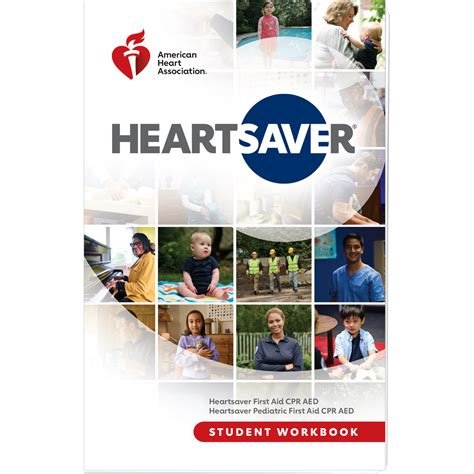
Yes, first aid CPR classes for educators in Colorado can help schools create safer learning environments by teaching teachers and school staff how to respond to medical emergencies. Students may face sudden health problems, injuries, or breathing difficulties during school hours. Trained educators can give quick care, follow safety steps, and seek emergency help when needed.
These skills help schools prepare for unexpected events and give students a safer place to learn, play, and grow.
Why Should Teachers and School Staff Learn First Aid and CPR?
Teachers spend much of the school day with students. They may be the first adults to notice an injury or health problem. Knowing basic first aid and CPR helps them respond while waiting for medical help.
Training can help school staff learn how to:
● Give CPR to a person who is not breathing normally.
● Use an automated external defibrillator (AED).
● Help someone who is choking.
● Care for cuts, burns, and minor injuries.
● Recognize signs of a serious medical emergency.
● Contact emergency services and share clear details.
These skills help teachers act with greater confidence during a crisis. They also help staff understand when a student needs urgent medical care.
How Can CPR Training Help During School Emergencies?
Cardiac arrest can happen without warning. A person may collapse, stop responding, and stop breathing normally. In such cases, quick action is vital.
CPR helps keep blood moving through the body until trained medical workers take over. Educators who know CPR can begin care while another staff member calls 911 and brings an AED.
Schools can benefit from CPR training in several ways:
● Faster response: Trained staff can begin CPR without waiting for emergency workers to arrive.
● Better teamwork: Teachers and other employees can divide tasks during an emergency.
● AED knowledge: Staff can learn how to turn on and use an AED by following its voice instructions.
● Clear action: Training helps reduce confusion and gives staff a clear plan to follow.
Regular practice also helps educators remember the correct order of actions during a stressful event.
What First Aid Skills Can Help Teachers Handle Student Injuries?
Children can get hurt during classroom activities, sports, outdoor play, or school events. Some injuries need quick care, even if they do not require a hospital visit.
First aid lessons teach educators how to handle common problems, such as:
● Cuts and bleeding: Learn how to clean small wounds, cover them, and control bleeding.
● Burns: Understand how to cool a burn and protect the injured area.
● Sprains: Learn how to care for a twisted ankle or wrist and limit movement.
● Choking: Recognize signs of choking and learn the right way to help.
● Fainting: Know how to check a person’s condition and get medical help when needed.
These basic skills can help teachers care for students until further medical help arrives. They also help staff know when an injury needs urgent attention.
Why Is Pediatric First Aid Training Important in Schools?
Children have different health and safety needs than adults. Their bodies are smaller, and they may not be able to explain their pain or symptoms with clear words. For this reason, teachers need training suited to the age of the children in their care.
First aid CPR training in Colorado can help educators learn how to respond to emergencies involving infants and children. Pediatric training covers CPR, choking, and first aid for young patients.
Teachers can use these skills to:
● Recognize signs of breathing problems.
● Help a child who is choking.
● Respond when a child becomes unresponsive.
● Give first aid for common childhood injuries.
● Follow the right steps while waiting for emergency workers.
Such training is useful for preschool staff, childcare workers, school teachers, and other adults who care for children.
Which CPR and First Aid Courses Can Schools Choose?
Schools need training based on the age of their students and the duties of their staff. JM LifeSafety offers several American Heart Association courses for different groups.
These include:
1. Heartsaver K-12 CPR/AED: Designed for teachers and school staff who need CPR and AED skills.
2. Heartsaver K-12 First Aid CPR/AED: Covers first aid, CPR, and AED skills for school settings.
3. Heartsaver Pediatric First Aid CPR/AED: Designed for adults who care for infants and children.
4. Heartsaver First Aid: Teaches basic first aid skills for common injuries and emergencies.
5. Heartsaver CPR/AED: Covers CPR and AED use for community members and other learners.
6. Basic Life Support: Designed for healthcare workers, including nurses, physicians, and emergency medical staff.
These course options allow schools to choose training based on their staff’s needs.
How Can Schools Make First Aid Training Easier for Staff?
School staff have busy schedules, so arranging a class at a convenient time can help more employees take part. JM LifeSafety offers mobile training in Colorado. Its instructors can come to a school or another chosen location. Schools can also select a day and time that works for their staff. The company provides classes on any day of the week and can adjust the schedule to meet the group’s needs.
Here are a few ways schools can plan training:
● Train different staff members: Include teachers, coaches, office staff, and childcare workers.
● Choose suitable courses: Match each course with the age group and needs of students.
● Plan regular refresher classes: Help staff keep their skills fresh and review important safety steps.
● Practice as a team: Make sure staff know who will call 911, bring the AED, and guide emergency workers.
With first aid CPR classes for educators in Colorado, schools can make training easier to arrange and help staff learn useful skills together.
How Can First Aid Training Build a Safer School Environment?
A safe school needs more than rules and safety signs. Staff must also know how to respond when a student gets hurt or becomes ill.
Training helps teachers stay calm, understand their duties, and take the right action during an emergency. It can also improve teamwork between teachers, office staff, coaches, and school leaders.
Schools should also keep first aid kits easy to reach, make sure AEDs are available, and keep emergency contact details up to date. A clear emergency plan gives staff a better idea of what to do and where to go.
Final Thought
First aid and CPR training can help schools prepare for sudden injuries and medical emergencies. Teachers who know these skills can act with greater confidence and help students get care while waiting for medical professionals.
JM LifeSafety offers school-focused CPR, AED, and first aid courses across Colorado, with mobile classes and flexible schedules. Investing in proper training is a useful way to build a safer learning space for students and staff.

WRITTEN BY
1 Story
JM LifeSafety
Contributing writer and creator on the Quillmark community publishing platform.
Responses & Discussion (0)