
Why Is Forensic Engineering Valuable When Investigating Contaminated Water Supplies?

September 21, 2026
·
6 min read
·
5 views
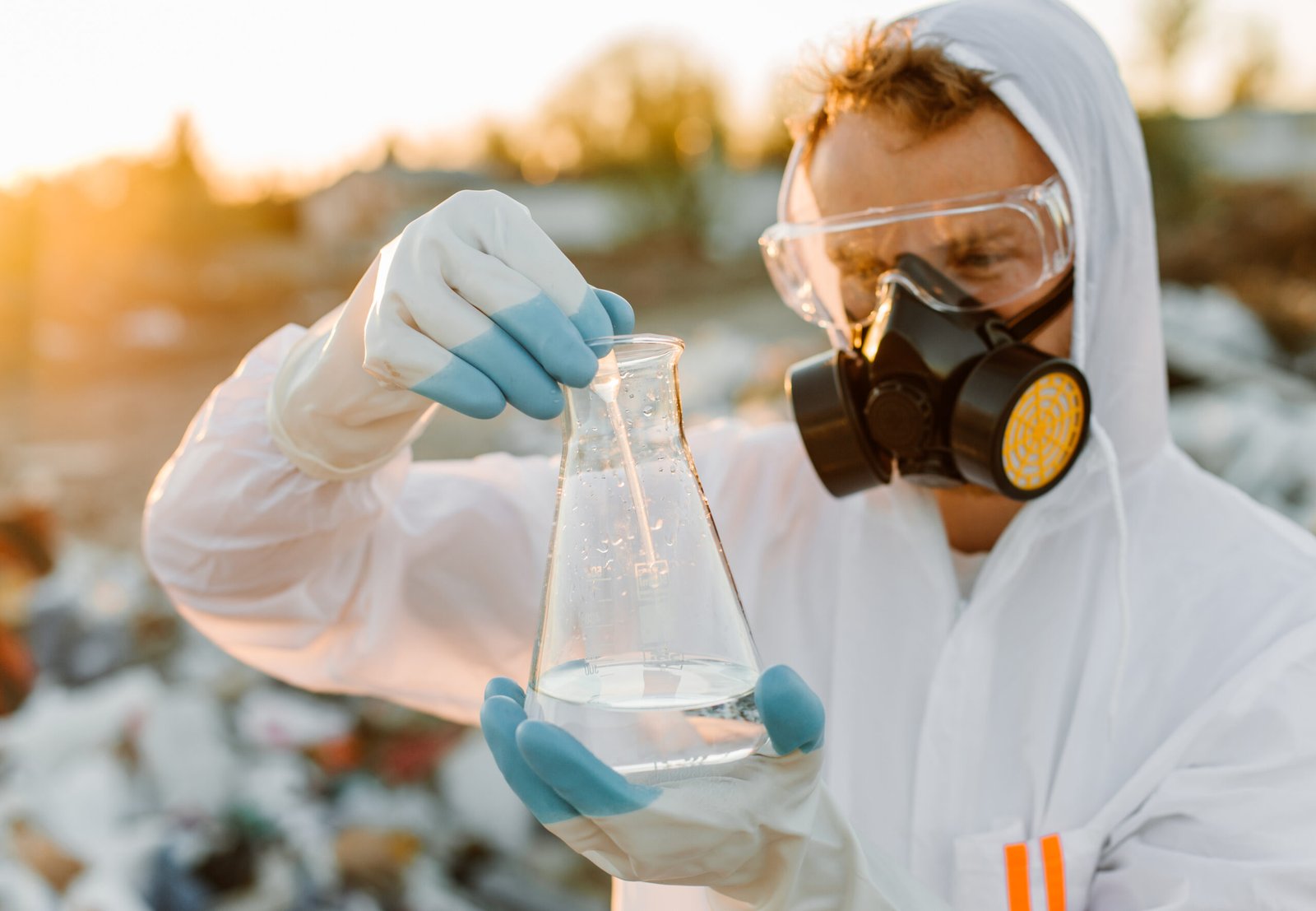
Contaminated water supplies can create complicated questions about where the contamination came from, how it entered the system, and whether it contributed to reported damage. Laboratory results may confirm that a water quality problem exists, but they do not always explain the underlying cause. A detailed water contamination investigation can bring together water system records, physical evidence, sampling data, and engineering analysis to develop a clearer picture of what happened.
Why Is Finding the Source So Important?
Water contamination can originate from different parts of a water system. Potential issues may involve damaged piping, cross-connections, sewage exposure, storage facilities, wells, pump stations, or other infrastructure.
Finding the source is important because contamination at a property does not automatically prove that the public water system caused it. An investigation must consider how the water moves through the system and whether the alleged source could realistically have produced the observed conditions.
Forensic engineering provides a structured way to examine those possibilities instead of relying on assumptions.
What Does a Water Contamination Investigation Involve?
A thorough water contamination investigation may begin with a review of available records. Engineers can examine water system plans, piping layouts, sampling results, inspection reports, maintenance records, repair documents, and operating information.
A physical inspection may follow. Depending on the circumstances, the engineer may evaluate water mains, private piping, wells, storage tanks, valves, pump stations, and potential cross-connections.
The goal is to compare documented information with actual conditions. When those pieces are considered together, it becomes easier to identify potential contamination pathways and determine which explanations are supported by the evidence.
How Can Sampling Results Help?
Water samples can provide valuable evidence, particularly when contamination is suspected at specific locations or during specific periods. However, a laboratory result generally represents conditions at the time and place of sampling.
Therefore, an engineer may need to examine multiple samples and consider when and where they were collected. Differences between sampling locations can sometimes help identify how contamination may have moved through a system. A water contamination expert witness can evaluate these results alongside physical and operational evidence. This broader analysis helps prevent laboratory findings from being considered in isolation.
What Are Cross-Connections and Why Do They Matter?
Cross-connections can be an important consideration when investigating potable water contamination. A connection between a drinking water supply and an untreated or potentially contaminated source can create a pathway for unwanted material to enter the potable system under certain conditions.
Forensic engineers can review piping configurations, pressure conditions, valves, backflow prevention measures, and other relevant components. They can then assess whether the system configuration was capable of creating the alleged contamination pathway.
Bonneau Dickson, PE, has experience involving potable water contamination and investigations of cross-connections between potable and untreated irrigation systems. This type of engineering background can be particularly relevant when contamination allegations involve complex water distribution arrangements.
Can Sewage Exposure Be Connected to Water Contamination?
Sewage exposure is another potential issue in contaminated water investigations. If sewage enters a potable water supply, determining how that occurred becomes an important engineering question.
An investigation may examine the locations of sanitary sewers and water lines, system pressures, physical separation, piping conditions, and other site-specific factors. Sampling and laboratory information can then be considered alongside those findings.
However, the presence of contamination alone does not establish the pathway. The physical configuration and operating conditions must support the proposed explanation.
How Does Forensic Engineering Establish a Timeline?
Timing can make or break a contamination investigation. Engineers may need to determine when the water quality issue first appeared and whether a system failure occurred before the reported contamination.
Maintenance records, customer complaints, inspection reports, repair histories, sampling dates, and operating logs can help establish this sequence. Weather events, construction work, equipment failures, or changes to the water system may also be relevant.
By reconstructing the timeline, a forensic engineer can evaluate whether the alleged source and contamination event are consistent with one another.
What If Several Causes Are Possible?
Water contamination does not always have one obvious cause. A system could have multiple deficiencies, while conditions at the property itself may also need to be considered.
A water contamination expert witness can evaluate competing explanations and determine which ones are consistent with the available evidence. This may involve comparing system design, physical conditions, sampling data, maintenance history, and property-specific information.
That broader approach is important in legal and insurance matters. It helps distinguish a possible cause from a cause that is supported by engineering evidence.
How Can Forensic Engineering Help With Property Damage Claims?
Contaminated water may be associated with claims involving plumbing problems, damaged building components, or other property conditions. Yet establishing that connection requires more than demonstrating that contamination existed.
An engineer can investigate whether the water system condition was capable of causing the reported damage. The analysis may consider the type of contamination, duration of exposure, water pathway, affected components, and timing of the alleged damage.
This is where an independent water contamination investigation can provide useful evidence. Rather than simply confirming a water quality issue, the investigation can examine the relationship between the water system and the claimed consequences.
Why Is an Independent Expert Valuable in a Dispute?
Contaminated water cases can involve property owners, utilities, municipalities, insurers, contractors, and other parties. Each may have a different view of what caused the problem.
A water contamination expert witness can provide an independent technical assessment based on engineering evidence. The expert may review records, inspect the system, analyse sampling information, prepare reports, participate in deposition, and provide testimony when appropriate.
Bonneau Dickson, PE, has extensive experience in water and wastewater engineering, including potable water contamination, water piping systems, pump stations, treatment systems, and forensic investigations. His broader engineering experience allows complex water system problems to be examined from both a practical and forensic perspective.
Ultimately, forensic engineering is valuable because contaminated water investigations often involve more questions than a laboratory test can answer. Determining the source, pathway, timing, and potential impact requires a careful look at the entire system. By combining physical evidence, technical records, sampling information, and engineering analysis, a qualified expert can help establish what happened and provide a well-supported technical basis for resolving the matter.

WRITTEN BY
1 Story
Bonneau Dickson
Contributing writer and creator on the Quillmark community publishing platform.
Responses & Discussion (0)