
Why Basement Walls Deserve More Attention

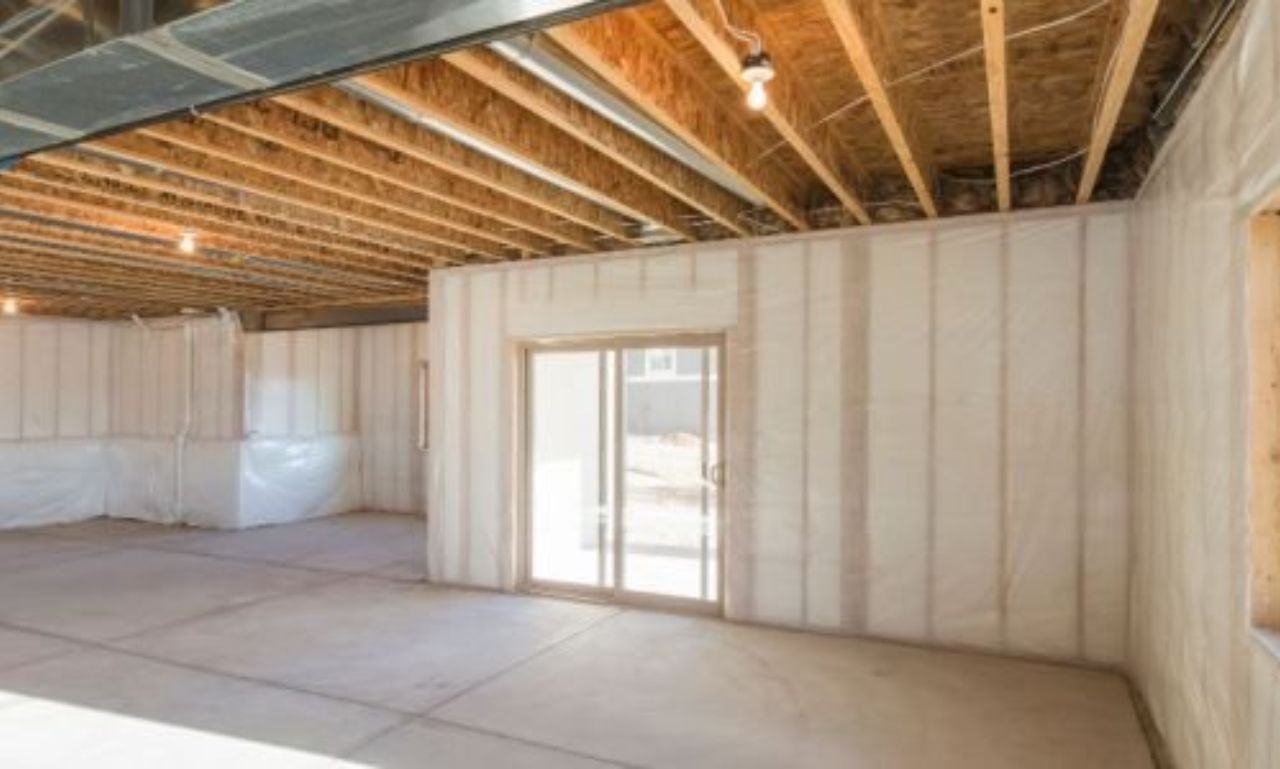
A basement can feel cold even when the rest of the house stays comfortable. The cause may be hidden behind concrete walls, where heat escapes and temperature differences affect the space above. For homeowners considering basement insulation in wall Vaughan, improving the basement’s thermal performance can be an important step toward a more comfortable home. The right approach begins with examining the foundation, existing insulation, and any signs of moisture.
Basement renovations often focus on flooring, lighting, and finished walls. Yet these improvements may deliver disappointing results if the foundation remains poorly insulated. Before covering concrete with framing and drywall, homeowners should consider how the wall assembly handles heat, air, and water.
How Much Heat Can Escape Through Basement Walls?
Basements have a larger effect on home energy performance than many homeowners realize. According to Natural Resources Canada, basements can account for about 25% of a home’s total heat loss. The figure varies by property, but it highlights the importance of foundation insulation.
Concrete does not provide the same thermal resistance as a properly designed insulated wall. During cold weather, uninsulated foundation walls can draw heat from the basement, making floors and nearby rooms feel uncomfortable. Heating systems may also need to work harder to maintain indoor temperatures.
Insulating the basement walls helps slow heat transfer between the home and surrounding soil. Combined with suitable air sealing and other building-envelope improvements, it can support better temperature control throughout the house.
Why Should Moisture Be Checked Before Insulation?
A warm basement is not a successful upgrade if moisture problems develop behind the finished walls. Foundation leaks, damp concrete, water infiltration, and condensation must be assessed before insulation work begins.
Natural Resources Canada recommends correcting significant water problems before insulating basement interiors. Covering a damp wall can conceal ongoing damage and create conditions that contribute to material deterioration or mould growth.
Homeowners should inspect for water stains, peeling paint, efflorescence, musty odors, and recurring damp patches. Exterior grading, downspouts, drainage, and foundation cracks may also require attention. Resolving these concerns first helps create a more suitable base for the insulation system.
Which Insulation Method Works for Basement Walls?
The best material depends on the foundation type, moisture conditions, available space, and project requirements. Rigid foam boards, framed insulation systems, and spray polyurethane foam are among the options used in suitable basement applications.
Spray foam can conform to irregular surfaces and, when correctly specified and installed, provide both thermal insulation and an air barrier. However, product selection, application thickness, surface preparation, and curing requirements must follow the manufacturer’s instructions and applicable building requirements.
The installation should also account for vapor control and the protection of combustible insulation materials. Local code requirements may determine the need for suitable thermal barriers and other safety measures. An appropriate system should be selected for the entire wall assembly rather than based on insulation performance alone.
Can Basement Wall Insulation Improve Everyday Comfort?
Properly designed insulation can help reduce cold surfaces and temperature differences in a basement. This matters when the space serves as a family room, home office, exercise area, or guest bedroom.
Comfort improvements depend on more than the insulation material. Air leakage around rim joists, basement windows, and utility penetrations can still affect the results. Humidity management and adequate ventilation are also important, particularly when the basement is used regularly.
Homeowners should assess the whole space instead of expecting one upgrade to solve every temperature issue. A coordinated approach helps identify whether insulation, air sealing, moisture repairs, or other improvements deserve priority.
What Should Homeowners Ask Before Starting?
Begin with an inspection of the foundation walls and existing conditions. Ask the contractor which insulation system suits the structure, how potential moisture issues will be addressed, and what preparation the project requires.
Request a written estimate that explains the proposed materials, installation scope, and any additional work needed before the walls can be insulated. It is also useful to ask how the finished assembly will meet applicable building and fire safety requirements.
What Is the First Step Toward a Better Basement?
A basement should feel like a natural extension of the home, not a space everyone avoids during colder months. Addressing foundation conditions before finishing the walls can help homeowners make more informed decisions about comfort, energy performance, and long-term maintenance.
For homeowners exploring basement insulation in wall Vaughan, Spray Foam Insulation Kings offers insulation services that can be discussed in relation to the property’s needs. Contacting the company for an estimate and confirming the suitable installation approach can help establish a practical starting point for the project.

sprayfoaminsulationkings
Contributing writer and creator on the Quillmark community publishing platform.
Responses & Discussion (0)